About Us
CART-WHEEL is the Center for Analysis of Rare Tumors.
CART-WHEEL project is approved by Melbourne Health Human Research Ethics Committee (HREC 2007.260) and Dr Clare Scott is the Principal Investigator overseeing the project.
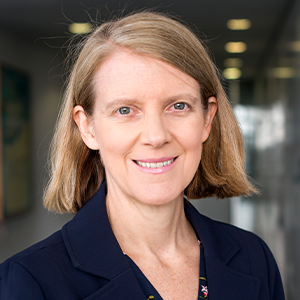
Professor Clare Scott
MBBS, PhD, FRACP, FAHMS
Principal Investigator, CART-Wheel
Professor Clare Scott leads CART-Wheel.org, a BioGrid Australia platform for consumer data entry for people with a rare cancer who would like to participate in data collection for research.
Professor Scott is the Joint Division Head of the Clinical Translation Centre and Head of the Ovarian and Rare Cancers Laboratory at the Walter and Eliza Hall Institute of Medical Research (WEHI) in Melbourne, Victoria. She is the Professor of Gynaecological Cancer at The University of Melbourne and is a Medical Oncologist at the Peter MacCallum Cancer Centre, Royal Melbourne and Royal Women's Hospitals. She has 20 years’ experience in treating breast and ovarian cancer and in clinical cancer genetics in Familial Cancer Clinics.
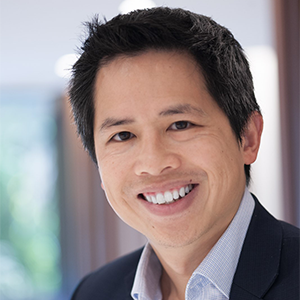
Dr Damien Kee
MBBS, DMedSc, FRACP
CART-Wheel Research Fellow, Medical Oncologist
Dr Damien Kee is the CART-Wheel Research Fellow and medical oncologist based in Melbourne, Victoria.
Dr Kee leads a melanoma and skin cancer oncology team at the Austin Hospital in Melbourne, as well as at the Peter MacCallum Cancer Centre. He has been the principal investigator of clinical trials encompassing targeted and immune-based therapies and cancer genomics. Dr Kee is also a senior clinician researcher in the Rare Cancers Laboratory at the Walter and Eliza Hall Institute of Medical Research with a focus on developing national platforms and clinical trials to enhance outcomes for patients with rare cancers.
Our Mission
CART-WHEEL is the Center for Analysis of Rare Tumors but also means:
- Collect information from many people
- Analyse the information about rare tumors
- Research new discoveries for rare tumors
- Treat rare tumors more effectively
CART-WHEEL
Effective research into rare tumors is difficult due to the small numbers of each type of tumor diagnosed each year. Usually we need to study large numbers of cases in order to identify patterns that tell us important information about how a tumor behaves or what kind of treatments work best. Most researchers only have access to cases at their own hospital or maybe within their own country. By creating a registry accessible to patients on the internet we can bring together data provided by individuals from all over the world, giving researchers access to a greater wealth of information.

When a researcher wants to study a certain rare tumor using the information in the registry they apply to BioGrid Australia with a research question. A team of doctors and scientists at BioGrid will review their request and determine whether it is an important question that needs to be answered to improve the care of patients with rare tumors. If it is approved then the researcher will be given access to the relevant information that has been collected through the registry.
Remember they can only access your information to the extent to which you have provided permission in the Participant Information and Consent Form.

BioGrid Australia
For many years doctors and hospitals have collected information on different diseases and the way in which they are diagnosed and treated for the purposes of research. Most of this information is stored on individual computer databases.
BioGrid Australia provides the technology to link together the anonymous patient information from all of these different databases in a way that maintains the privacy of the patient and the security of the information.
This means that information about greater numbers of patients can be combined which leads to more accurate and powerful research.